Latest News & Articles
Irish Pig and Poultry Investment Scheme
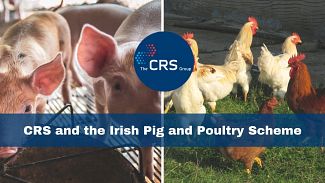
CRS can help unlock the potential for Irish farmers to maximise their benefits from the Irish Pig and Poultry Investment Scheme by offering tailored solutions.
Ireland: Available Schemes for Dairy and Beef in 2024
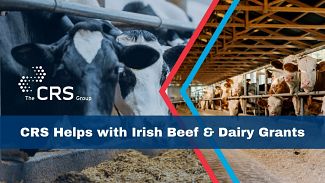
The dairy beef scheme, which forms an integral part of the country's agricultural framework, plays a crucial role in maintaining the balance between dairy and beef production.
Cold Storage in 2024: What’s the forecast?

As we approach 2024, the temperature-controlled modular storage sector is at a vital point, with major advancements bringing both challenges and opportunities. The industry's direction will be influenced by regulations, market trends, and...
In-House Engineering Team in Cold Storage

At The CRS Group, we are driven by a deep sense of pride in our ability to deliver innovative portable cold stores and blast freezers to meet the demands of our esteemed customers. What sets us apart is our unique offering of an in-house...
BIG Cold Rooms are back on the menu!
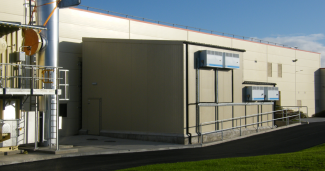
CRS Special Offer: Turnkey insulated Cold Rooms, and Freezers are available for the greater Leinster area! At The CRS Group, we have established ourselves as industry leaders with over 30 years of experience specialising in the design, supply,...
Cold Stores for Businesses on Leased Premises
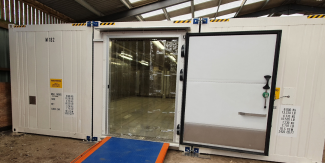
The use of cold storage solutions from CRS can be a convenient option for clients who lease their buildings, as it allows them to align the lease of their cold storage with that of their building. CRS provides containers that can be easily moved...
New Grade A Super Freezer for High-Value Seafood
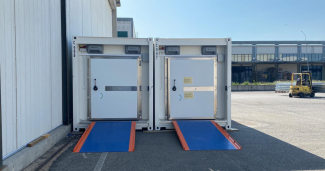
At CRS, we have recently designed and manufactured the first 40ft Grade A Super Freezer for static storage of high-value seafood products for one of our large fish processing customers. Our in-house engineering team searched worldwide in countries...
Carbon Fibre Prepreg Storage Solutions

Carbon fibre prepreg is a material format using carbon fibres impregnated with thermosetting polymer plastics. These plastics are known as the matrix, serving as the supporting structure. It offers numerous benefits in its application...
Efficient Logistics: The Benefits of Loading Docks Pods | CRS
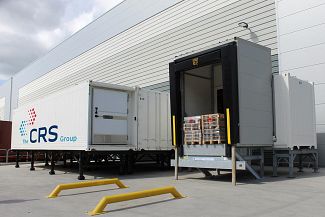
In the world of supply chain management, efficiency and speed are crucial for businesses to stay competitive. When it comes to industries that rely on temperature-controlled storage, such as retail, logistics, pharmaceuticals, and the food and...
Irish Fish and Dairy Industry Grant Schemes
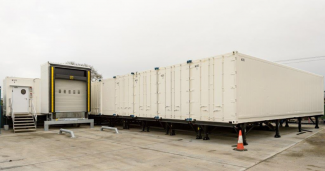
Did you know that current grant schemes offer a unique opportunity to expand your storage and business? Ireland’s Seafood Development Agency (Bord Iascaigh Mhara - BIM) assists progress and expansion of the Irish seafood industry by providing...
Page 1 of 17